
The changing picture of pesticide legislation -
The UK Pesticide Picture
Over the past three decades, the United Kingdom has steadily tightened controls on pesticide use. What was once a system focused mainly on product approval has evolved into a far broader regime. It now covers environmental protection, operator competence, food residues, equipment testing, pollinator safety and sustainable farming practice. The result has been a significant reduction in the volume of active pesticide substances used, the withdrawal of many higher-risk chemicals and a stronger shift toward Integrated Pest Management (IPM) rather than routine chemical spraying.
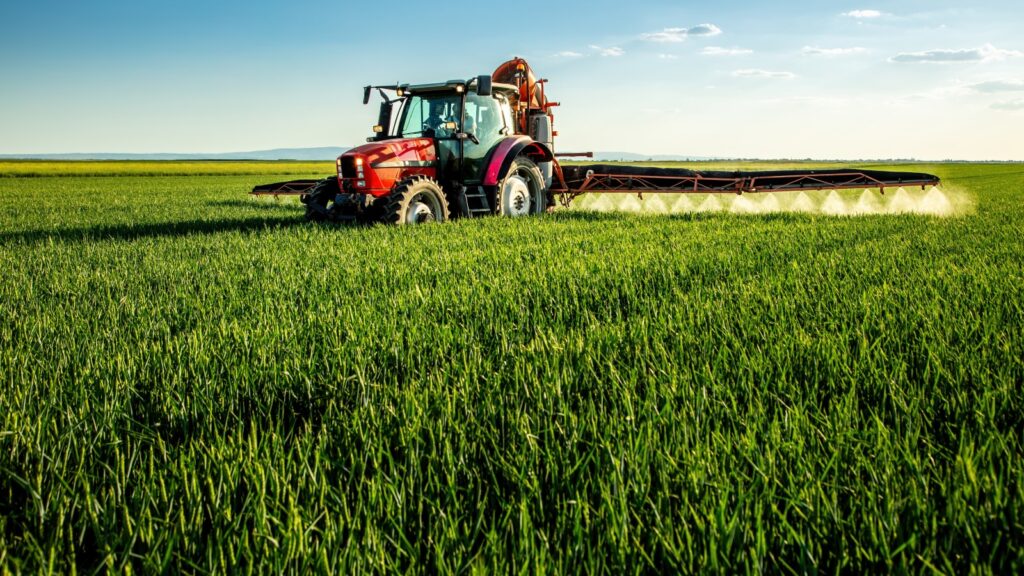
How legislation has been extended
The Control of Pesticides Regulations 1986 (COPR), introduced under the Food and Environment Protection Act formed the original framework. This established the principle that pesticides required official approval before sale or use.
This means pesticide law today is no longer about whether a product works. It now asks whether it is safe for users, consumers, bees, waterways, birds, soil organisms and biodiversity.
A move toward sustainable use
The UK Government’s National Action Plan for Sustainable Use of Pesticides, updated in 2025, signalled another step change. It commits to reducing the environmental risk from pesticides, promoting IPM, improving farmer training, encouraging precision application technology and setting a target to reduce pesticide use on arable farms by 10% by 2030.
IPM means using crop rotation, resistant varieties, monitoring pest thresholds, habitat creation for beneficial insects and targeted spraying only when necessary. In practice, it shifts pesticides from first response to last resort.
Chemicals no longer permitted
A large number of older active substances have disappeared from the UK market after failing modern toxicology or environmental standards. Among the most notable are:
Neonicotinoid Insecticides
Three widely used neonicotinoids have effectively been removed from general outdoor use because of risks to bees and pollinators:
- Clothianidin
- Imidacloprid
- Thiamethoxam
Restrictions first emerged in 2013 and were later strengthened. These chemicals were systemic insecticides, meaning they moved through plant tissues and could appear in pollen and nectar. Evidence linked them with bee mortality, impaired navigation and reduced colony performance.
Although temporary emergency authorisations were granted in some years for sugar beet seed treatment, the UK Government rejected further use in 2025 and moved toward a complete end to emergency approvals.
Organophosphates and Other Older Insecticides
Many older broad-spectrum insecticides have been withdrawn or tightly restricted over time because of risk to operators, wildlife harm or residue concerns. These include substances like chlorpyrifos, once common in agriculture and horticulture.
Desiccants and Legacy Chemicals
Sulphuric acid, historically used as a potato desiccant, has been phased out. Although it represented a large tonnage by weight, it was used on relatively small areas. Its removal partly explains the steep fall in headline pesticide tonnage since the 1990s.
Fungicides and Herbicides Under Review
A number of fungicides and herbicides once approved in Europe have also been withdrawn over time where concerns arose over their links to cancer, endocrine disruption, groundwater contamination or persistence in soils.
What Have the Results Been?
1. Lower Overall Pesticide Use
The clearest measurable outcome is that UK agriculture now uses substantially less active pesticide substances than in 1990. Government figures indicate:
- Nearly 60% reduction including sulphuric acid.
- Around one-third reduction excluding sulphuric acid.
That is a major structural change rather than a temporary fluctuation.
2. Better Pollinator Protection
Restrictions on neonicotinoids were specifically aimed at bees, butterflies and other pollinators. While pollinator trends depend on habitat, weather and disease as well as pesticides, reducing exposure to high-risk insecticides is widely regarded as an important protective step.
The UK has also issued updated guidance requiring stronger consideration of pollinator risk before any emergency pesticide approval is granted.
3. Safer Food Supply
Modern residue monitoring means food sold in the UK must remain within legal residue limits. Today consumers benefit from far tighter surveillance than existed decades ago. However, imported produce can still contain residues of chemicals not approved for domestic UK farming, provided residue limits are met. This debate is still ongoing.
4. More Professional Application Standards
Mandatory training, calibrated machinery, tested sprayers and better record keeping have reduced accidental misuse, over-application and spray drift. Precision spraying technology also allows operators to use lower doses more accurately.
5. More Pressure on Farmers to Adapt
There are trade-offs. Growers can face higher costs and lower yields as pesticides are withdrawn quickly and alternatives are limited. This has been particularly contentious in the sugar beet, fruit and vegetable sectors. As a result, regulation increasingly needs to be matched by research into biological controls, resistant crop varieties and smarter agronomy.
The Overall Picture
The UK’s pesticide story is one of gradual but clear tightening. Legislation has moved from simple product licensing to a sophisticated framework that considers ecosystems, food safety and long-term sustainability. Many higher-risk chemicals are gone, especially those linked to pollinator harm. Total usage has fallen, and farming is under growing pressure to use chemicals only when genuinely needed.
But the changes to legislation have significant operational, economic and agronomic implications for farmers and horticultural growers.
The increased emphasis on Integrated Pest Management (IPM) means growers are now expected to prioritise non-chemical controls like crop rotation, biological controls and habitat management before resorting to pesticides. This requires greater technical knowledge, monitoring and planning. This has the potential to drive increased complexity and labour costs, particularly in high-value horticulture where pest pressure is acute.
Compliance burdens are also rising. New rules require certification to use certain pesticides, demand tighter record-keeping and adherence to continually evolving safety standards. These measures increase administrative overhead and may affect smaller farms disproportionately as they lack specialist compliance capacity.
Economic costs and benefits
Economically, reduced access to certain chemical controls like restrictions or bans on neonicotinoids—can expose growers to higher crop losses and increased yield variability. At the same time, investment has been encouraged in alternatives like biopesticides and the adoption of precision technologies, which may involve significant costs upfront but which offer longer-term efficiency gains.
However, there are also potential benefits. Reduced pesticide reliance can lower input costs over time, mitigate resistance development and enhance ecosystems through improved pollination and natural pest control. The policy framework also supports innovation funding and may improve public perception and marketability of sustainably produced crops.
Overall, tightening legislation has created short-term economic and operational challenges but it does align UK agriculture with longer-term sustainability, resilience, and environmental stewardship objectives.
The next phase will likely focus less on banning individual substances and more on reducing pesticide load, toxicity and dependency altogether. In short, the direction of travel is unmistakable: fewer pesticides, lower risk, smarter farming.
Have a Question?
If you want to talk over your plans or discuss a bespoke seed mix or turf application please get in touch.
The Control of Pesticides Regulations 1986 (COPR), introduced under the Food and Environment Protection Act formed the original framework. This established the principle that pesticides required official approval before sale or use.
Since then, regulation has expanded substantially. Today the UK system includes:
- Plant Protection Products Regulations 2011, which govern authorisation, sale and use of agricultural pesticides.
- Plant Protection Products (Sustainable Use) Regulations 2012, which introduced professional training requirements, sprayer testing, safe storage rules, restrictions on aerial spraying and obligations to minimise environmental harm.
- Maximum Residue Level (MRL) controls, limiting pesticide residues in food.
- Official Controls Regulations 2020, strengthening enforcement across the supply chain.
- Post-Brexit Retained Law, under which Great Britain continues to operate a risk-based approval system administered by the Health and Safety Executive (HSE). Northern Ireland remains aligned with certain EU arrangements under the Windsor Framework.
